
About


This work is about rhythm, breath, movement and awareness, and how they can help us return to a more grounded and steady state of mind and body.

Stillness is central to it. Not as something to force or achieve, but as something that becomes available when attention is no longer strained or fragmented.

For many people, getting to stillness directly is not easy. The mind stays active, and the body feels unsettled. Sitting still can sometimes amplify that experience rather than resolve it.

This is where rhythm and sound come in.

They act as a way in.


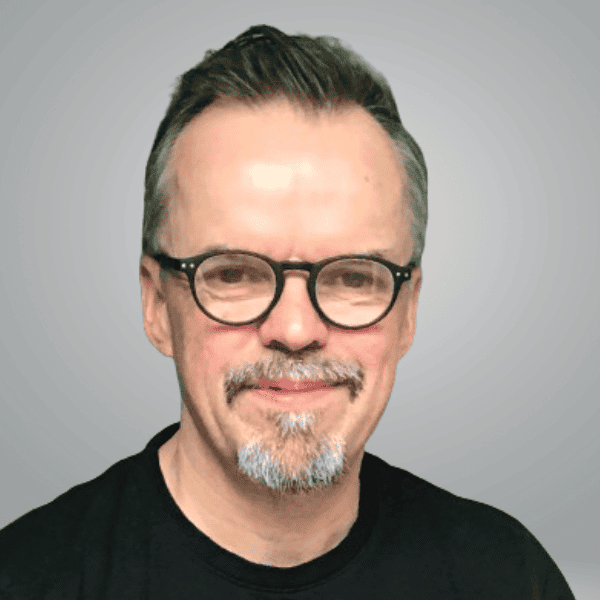
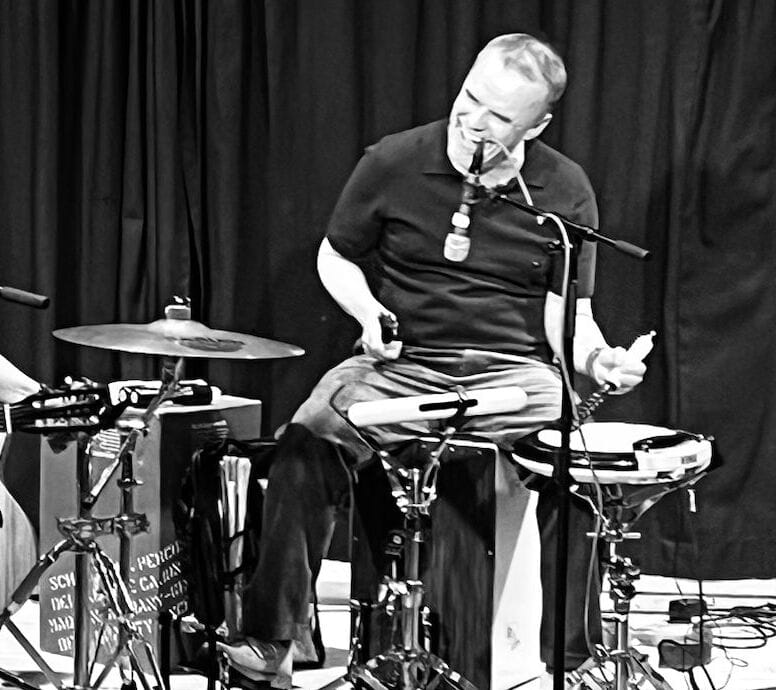
I’m Craig Coggle, a drummer and educator exploring how rhythm shapes attention, energy and state.

For me, performance was the first place this became real. When I was playing gigs and rehearsing, something would change. Thinking would drop away. The sense of separation between me and the music would soften. There was just rhythm and response happening in real time.

It did not happen every time, and I was often caught up in wanting to be a “rock star,” but I could still recognise those moments when everything locked in. They were the most direct and honest parts of playing.

The ones that worked.


Over time, I began to see that this was not limited to performance.

We are not designed for stillness in a static sense. We are designed for rhythm. Breath has rhythm. Walking has rhythm. Speech has rhythm. Even thought has rhythm.

When attention aligns with that natural movement instead of resisting it, something shifts. The system begins to settle through engagement rather than effort.


This is where my work has developed.

Rhythm stopped being only music or performance. It became a way of working with awareness directly.

Drumming became a form of listening. Not just to sound, but to timing, tension, release and the continuous adjustments happening in the body and mind.

A key turning point came in a workshop with jazz improviser John Stevens, who reframed rhythm in a way that stayed with me.

He did not treat rhythm as something to master or control. He treated it as a living process of listening, responding and allowing structure to emerge through attention rather than force.

That shift stayed.


Since then, I have studied and practised drum kit, Taiko drumming, body percussion, Indian percussion and frame drumming, alongside practices such as yoga, Tai Chi, conscious movement, Aikido, mindfulness meditation, Vipassana, sound work and embodiment coaching.

Over time, these stopped feeling like separate disciplines. They became different ways of exploring the same thing.

How awareness moves through the body, and how the body can organise awareness.


At the core of this work is a simple principle.

When rhythm, sound and movement are used openly and attentively, they help prepare the system for stillness rather than replacing it.

Stillness remains essential. It is not secondary. It is the ground of the practice.

The difference is in how we arrive there.

Rhythm provides an entry point. It gives attention somewhere to land. It engages the body. It reduces internal friction. It allows the system to organise itself through timing, repetition and response.

From there, stillness is not imposed. It becomes available.


At its simplest, this work is about rhythm as awareness, movement as meditation and sound as a way back into presence.

Share This