
How to Lead Rhythm with a Group (Without Yelling or Banging)
So you want to bring rhythm into your yoga class, breathwork circle, or movement session—but you’re not about to turn into a drum-wielding hype beast or start clapping at people.
Good.
Rhythm doesn’t need to be loud or flashy to be effective. The most powerful rhythmic guidance is often subtle, embodied, and quietly contagious.
Here are a few ways to lead rhythm in a group without yelling, banging, or performing.
1. Make it visible
If you’re using body percussion, choose areas the group can see: chest, arms, shoulders. A simple hand-to-chest or two-handed body tap reads much better than thigh tapping from across a room.
Let your movements be rhythmic and readable.
2. Let the rhythm walk with you
Your own body is an instrument. Walking rhythmically through the space with soft, deliberate footfalls creates a beat the group will unconsciously mirror.
Think of your presence as the metronome.
3. Use your voice
Speak rhythm. Phrase instructions with rhythmic cadence. Use repeated vocal cues like “step… step… rest…” or “breathe… hold… breathe… let go.”
You don’t have to chant. You just have to offer a pattern the body can hear and trust.
4. Anchor with an instrument
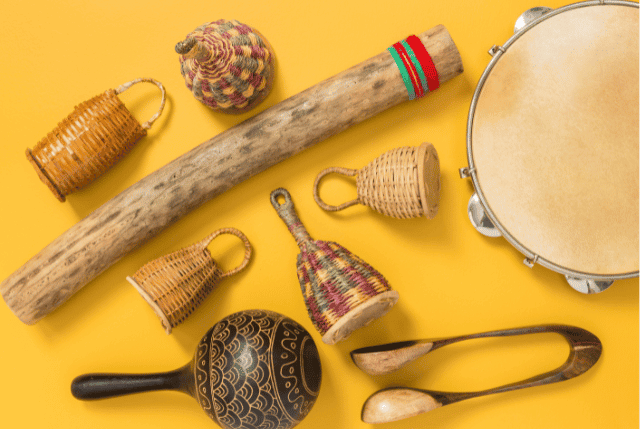
A soft frame drum, a shaker, or even a bell can offer a consistent pulse. You’re not performing a piece—you’re grounding the room. Keep it simple, repetitive, and spacious.
Instruments amplify rhythm. They don’t replace presence.
5. Start with group mirroring
Begin with everyone tapping or moving together in the same pattern. Lead with your body. Don’t talk too much. Let the rhythm spread visually, audibly, and somatically.
Shared rhythm builds cohesion faster than explanation ever could.
Final Thought:
Rhythm isn’t something you give to the group. It’s something you reveal with them.
Lead with less. Let rhythm emerge. The body remembers.
Want to explore this in your facilitation style? I offer one-to-one rhythm sessions for space-holders and practitioners looking to guide with rhythm more confidently and calmly.
Learn more here.